




Research Groups at the Department

 
Laboratory of Applied Biology

Laboratory of Applied Biology

Group leaders: prof. Ing. Irena Jarošová, Ph.D. and doc. Ing. Olga Maťátková, Ph.D.

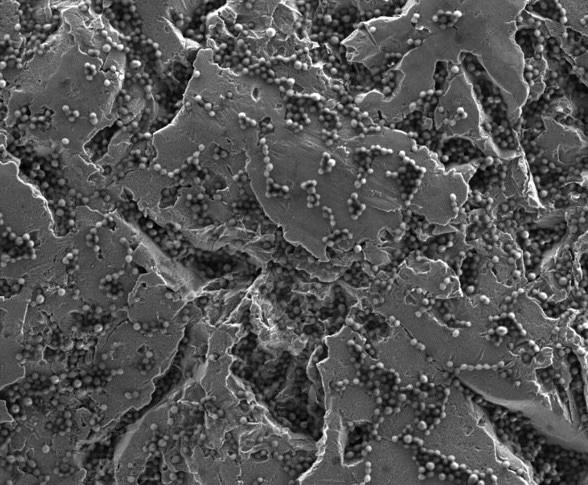
Our laboratory works on several topics whose common goal is to contribute to understanding the mechanisms of biological activity of microorganisms and microbial communities. Our main aim is to apply this knowledge in various areas of biotechnology and medicine – designing inhibitors of microbial growth, suppressing biofilm formation, protecting the environment, as well as the industrial production and use of new natural compounds. We also study nanoparticles, their production by physicochemical and biological methods, and their properties, including antimicrobial activity. The laboratory also collaborates with industry, particularly in winemaking, focusing on alternative uses of natural compounds contained in plant waste. The laboratory is equipped with a range of modern bioreactor units and is set up for microbiological and biochemical techniques, including fluorescence microscopy and image analysis. It also has access to a transmission electron microscope, a confocal microscope and mass spectrometry.
Laboratory of Bioengineering

Laboratory of Bioengineering

Group leader: doc. Ing. Martin Halecký, Ph.D.

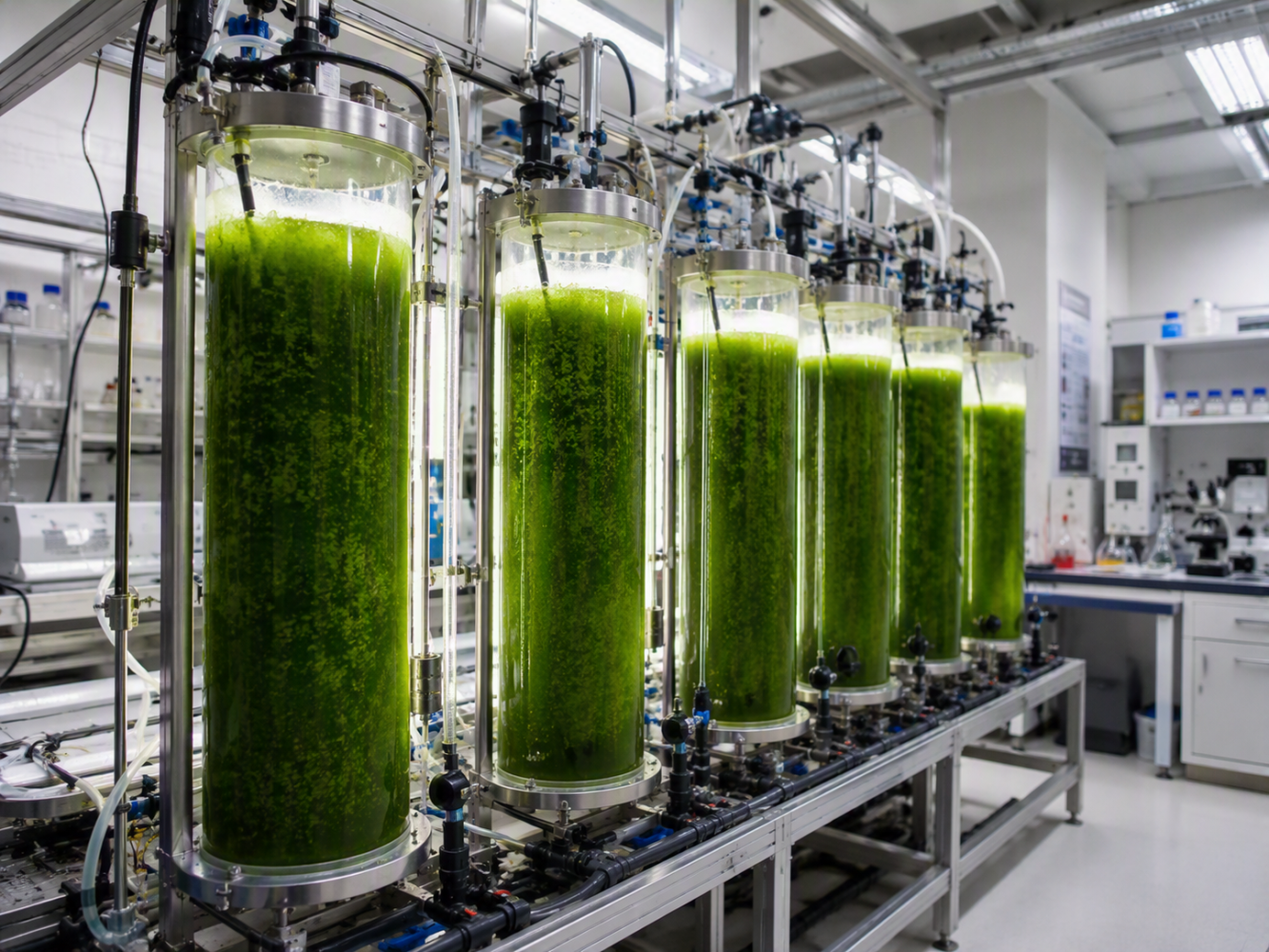
In the Laboratory of Bioengineering, we study production and decontamination biotechnologies from the perspective of bioreactors and process control, as well as from the perspective of (micro)biology, biochemistry and genetics. Using submerged and biofilm photobioreactors, we study the use of unicellular marine and freshwater algae and photosynthetic bacteria for the production of biologically active compounds. We use modern multispectral analysis and 3D scanning technologies to study the potential of microorganisms and their products for the preparation of biopreparations (biostimulants and biopesticides) for plant treatment in sustainable agriculture. We also focus on the enzymatic synthesis and recycling of sustainable polyurethane materials, making maximum use of natural and renewable raw materials and applying modern concepts such as “Green chemistry”, “Cradle-to-grave” and “Cradle-to-cradle”. Using contact angle and zeta potential measurements, we study the surface properties of biomass as well as packing and other materials, which we then apply in studying biofilm formation, flocculation, flotation and emulsification.

Laboratory of Microbial Processes

Laboratory of Microbial Processes

Group leader: prof. Dr. Ing. Petra Patáková

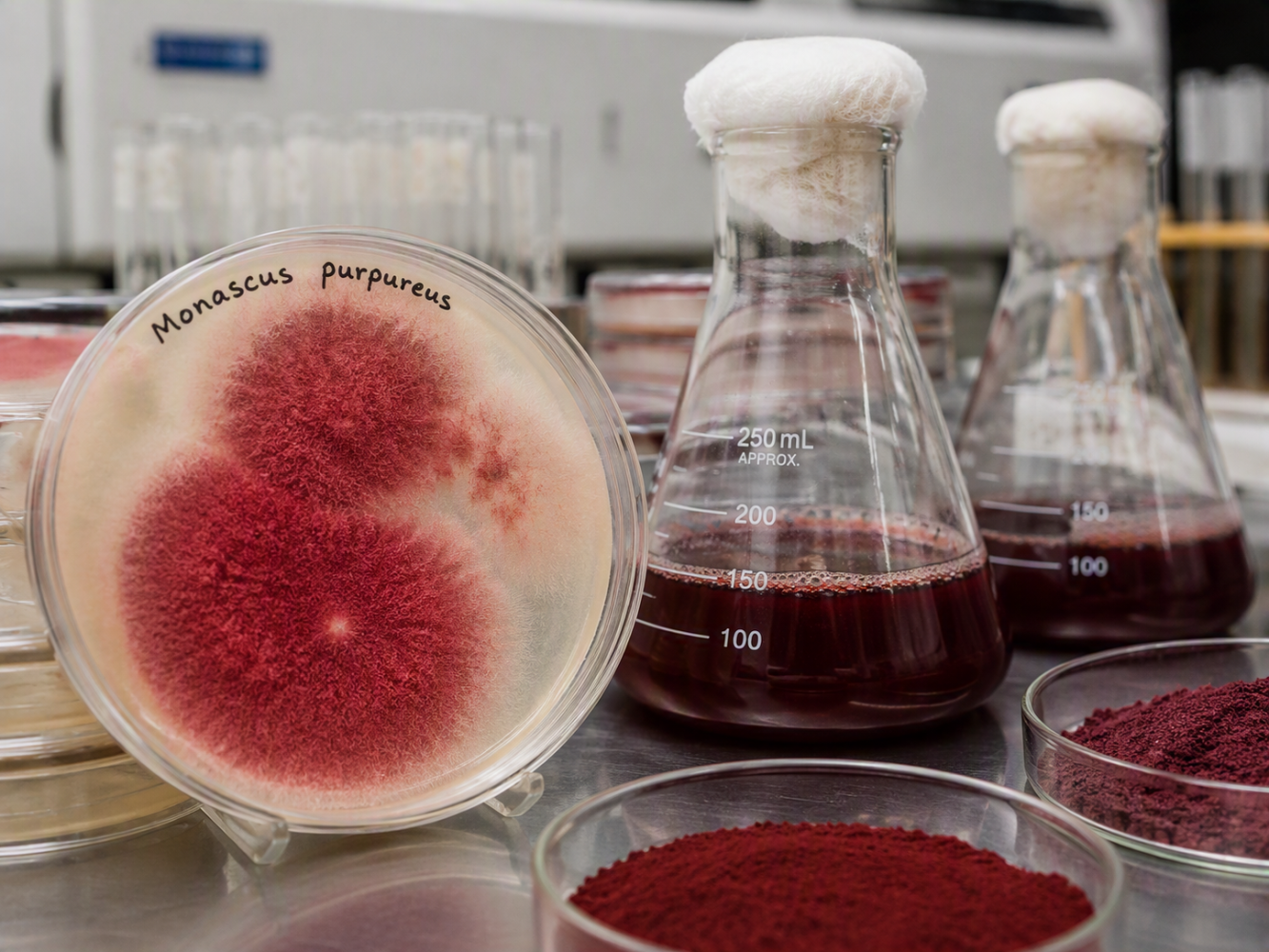
Our laboratory focuses on processes in which microorganisms play a key role. We carry out aerobic and anaerobic cultivation of bacteria, yeasts and moulds for the production of primary and secondary metabolites, monitoring the physiology of microbial populations with a wide range of techniques – from microscopy and flow cytometry to metabolomic and genomic analysis. A significant part of our work is research into the microbial production of biofuels, especially bioethanol and biobutanol, with an emphasis on lignocellulosic materials and agricultural residues as renewable substrates. We also prepare recombinant proteins in yeast expression systems and optimise cultivation conditions for continuous and batch processes. Our work further includes the valorisation of food and agricultural waste in biotechnology, with the aim of contributing to the development of sustainable and circular bioprocesses.

Laboratory of Molecular Biology

Laboratory of Molecular Biology

Group leader: prof. Dr. Ing. Michaela Rumlová

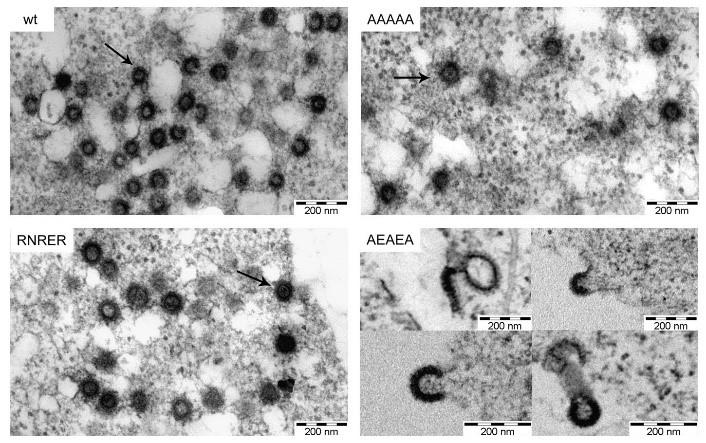
The main scientific focus of our laboratory is viruses. We study retroviruses – viruses that can reverse the direction of genetic information transfer and make DNA from RNA, one of which, HIV, causes a serious disease, AIDS – and we also study flaviviruses, in particular dengue virus, tick-borne encephalitis virus and Zika virus. We are interested in a specific step in the replication cycles of these viruses, in which many hundreds to thousands of copies of viral structural proteins meet the viral genetic information in the form of RNA, and their mutual interactions begin to form a new virus particle. We aim to understand the structure–function mechanisms of these steps, which are critical for the virus, in order to find out how to inhibit them and thus prevent viral infection.

Laboratory of Brewing and Malting

Laboratory of Brewing and Malting

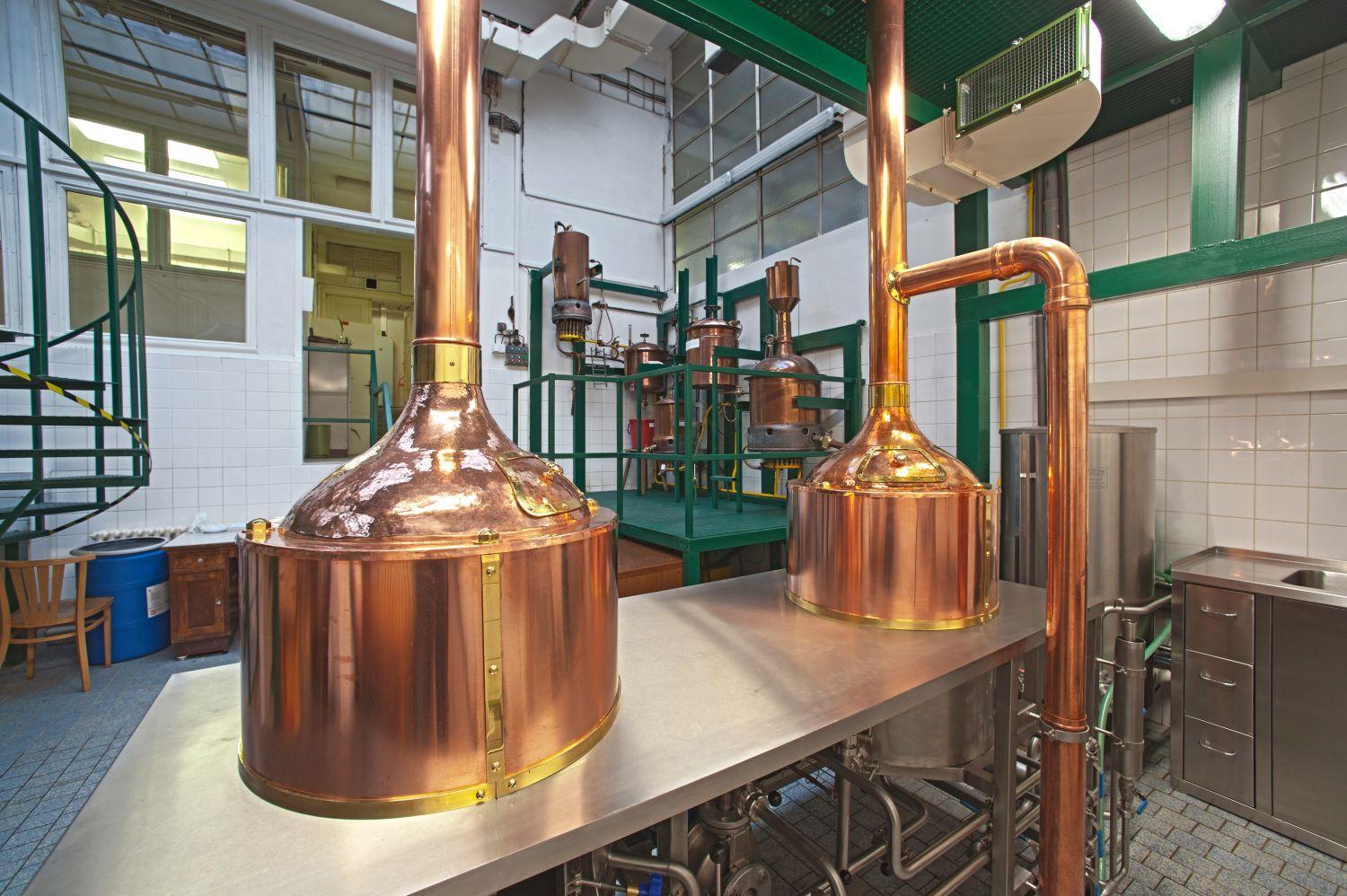
Our group focuses mainly on teaching, research and development in brewing and malting. We are responsible for a wide range of bachelor's and master's courses, and from the 2026/27 academic year we are introducing a new specialisation, Malting and Brewing, within the master's programme Biotechnology and Bioengineering. Teaching also involves external lecturers and experts from the brewing and malting industry and includes excursions to breweries and malt houses. Our research covers a broad range of topics that reflect current trends in brewing and find application in practice. For teaching and research, we have facilities equipped with, among other things, modern chromatographic instruments, an experimental malt house and the University Brewery with an automated brewhouse. Students also take part in regular tasting training sessions and student brews.